Ubud appeals to travelers seeking art, culture, food, and landscapes. It works for many different types of visitors, which is partly why it is crowded.
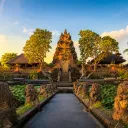
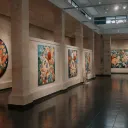
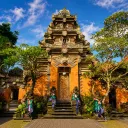
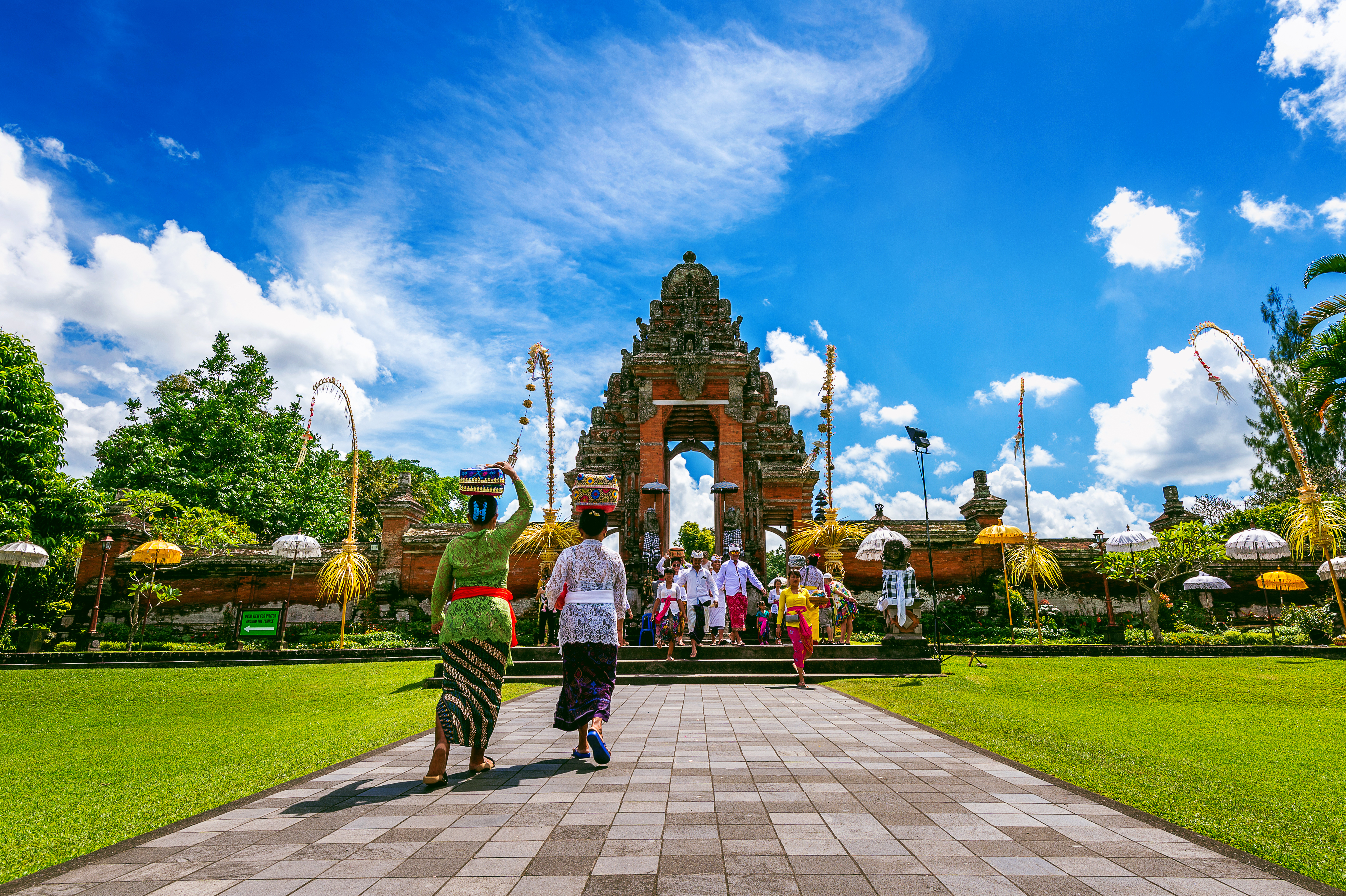
- For Art and Culture Enthusiasts: Ubud has dozens of galleries ranging from commercial (selling art for tourists) to serious (showing work by established artists) [1]. Studios are scattered through town and surrounding areas. You can watch artists work, buy directly from makers, and understand the local artistic tradition. The Ubud Palace and temples offer insight into Balinese royal and religious culture.
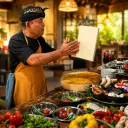
- For Food Lovers: Ubud has the highest concentration of good restaurants in Bali. Cafes serve Indonesian classics. Higher-end restaurants experiment with local ingredients. Cooking classes teach Balinese techniques. Food-focused travelers can spend days exploring restaurants and food culture without running out of options.
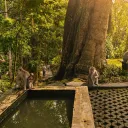
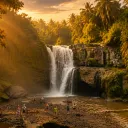
- For Nature and Landscape Photographers: Rice terraces surround the town. Nearby waterfalls, river valleys, and forest areas offer diverse scenery. Different seasons create different light and colors. Early morning and late afternoon light is best, especially during dry season.
- For Explorers Interested in Village Life: Walking away from main streets leads to villages, temples, rice fields, and local warungs. You can spend time in quiet areas watching farmers, visiting neighborhood temples, and understanding how communities function beyond the tourist district.
- For Those on a Budget (Relatively): Ubud is expensive compared to other Bali towns, but significantly cheaper than Western cities and less expensive than southern beach resorts. You can eat well and stay comfortably for reasonable money if you avoid main-street restaurants and tourist hotels.