Lovina sits on Bali's far north coast, about 10 kilometers west of Singaraja and roughly two and a half hours from the main international airport. Most visitors get here by driving directly over the central mountain range through Bedugul or Kintamani. That mountain drive alone—passing high-altitude crater lakes, thick forests, and highland strawberry farms—is a massive part of what makes North Bali feel like an entirely different ecosystem from the south. Lovina is where the steep northern slopes finally flatten out into a long coastal strip right against the calm Bali Sea.
The beaches here are a striking dark grey-black volcanic sand, and the coastal waters are completely different from what you find down south. There is no heavy surf or crashing white waves here, making the ocean feel much more like a massive, calm lake. This lack of rough water is what makes it excellent for casual swimming and for launching the traditional outrigger canoes that local families use for daily fishing and morning dolphin trips. Boats head out to open water before 6:00 AM while the sky is still dark, creating a loose flotilla of outriggers moving towards the deep waters where pods of spinner dolphins gather.
It is important to manage expectations about the dolphin tours. This is a real marine environment, not a controlled wildlife show at an amusement park. The dolphins choose exactly when to show up and how close they want to come to the boats. On clear, calm days, you might see dozens of them leaping out of the water right next to your outrigger, while on choppy mornings they might stay further out or remain submerged. Going out with an open mind makes it an authentic and rewarding morning on the water, but expecting a guaranteed front-row spectacle might lead to disappointment.
The Structure of the Coastal Villages
Lovina is not a single compact town but rather a loose string of small coastal villages stretching along the main highway. Kalibukbuk is the main hub of the area, holding the highest concentration of small restaurants, family-run guesthouses, and homestays along a couple of short streets leading down to the beach. The entire area is remarkably quiet compared to places like Kuta or Canggu, which serves as the primary reason people either fall in love with the place or choose to leave early. The nightlife winds down incredibly early, the local warungs focus heavily on simply grilled local fish, and there is almost nothing to do after 9:00 PM except sit by the water with a cold drink and listen to the gentle waves.
Day Trips and Regional Exploration
Using this coast as a base allows you to explore the rest of North Bali without rushing. The ancient royal city of Singaraja, which served as Bali's colonial capital under Dutch rule, is just fifteen minutes away and offers a fascinating look at old waterfront warehouses and colonial-era architecture. Heading south into the mountains brings you to Gitgit waterfall within forty minutes, while the quiet crater lake of Tamblingan sits slightly further up the slopes. You can easily arrange a local driver to combine these spots into a single full-day mountain excursion rather than splitting them into separate exhausting trips.
The Evening Food Scene and Atmosphere
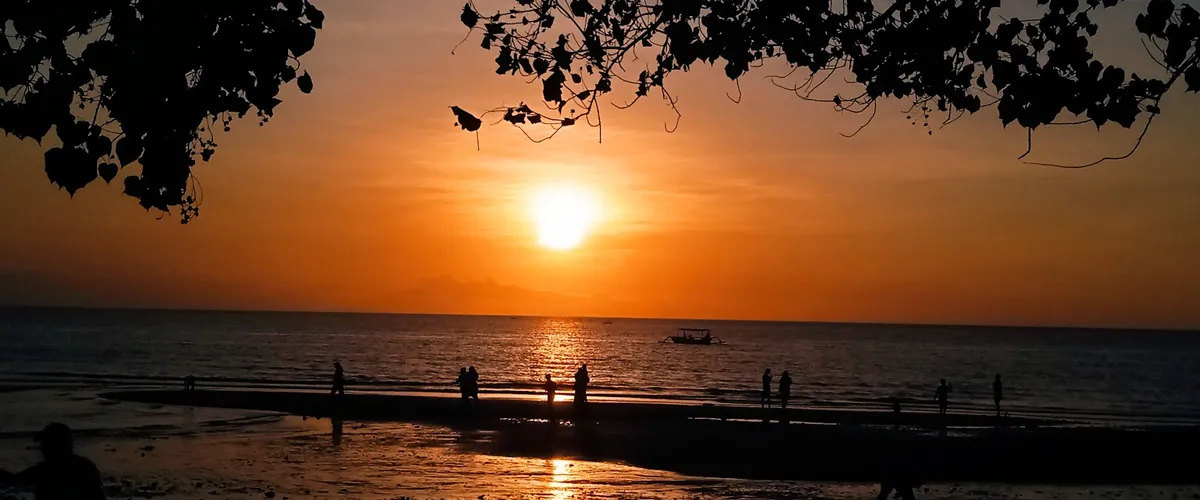
When dinner time arrives, the action centers around the beachside warungs where local fishermen bring their daily catch directly to the kitchen. You will not find high-end fine dining or experimental gastronomy here; instead, the menus feature fresh red snapper, white fish, and prawns grilled over open fires built from dried coconut shells. The smoky flavor combined with traditional Balinese spice pastes creates incredible meals at a fraction of southern resort prices. It is a casual, bare-foot environment where you can eat with your toes in the sand while watching the sun drop below the western horizon.