Pemuteran

Pemuteran

North Bali · Bali

Pemuteran is what happens when you put a working reef conservation area, consistent manta ray encounters, and a genuine fishing village on one beach. It's North Bali's quiet answer to South Bali's crowded dive resorts — the water is warmer, the marine life is healthier, and the pace is slower.

It's a serious diving and snorkeling destination. The reef is protected, the fish populations are dense, and manta rays are common during season (November-April). But it's not a dive resort with resort infrastructure — it's a small fishing village where dive shops happen to operate and where guesthouses are modest.

The travel time from the airport (3-4 hours) keeps casual tourists away, which is exactly why the reef is still healthy and the vibe is still genuine. You come here to dive, snorkel, relax, and watch the ocean. You don't come here to shop or nightlife or perform tourism.

Quick Facts

📍
Location
North Bali coast, approximately 100km northwest of Denpasar, bordering Bali Barat National Park
North Bali
🌿
Atmosphere
QuietRelaxingBeachRuralCoastal
Best For
CouplesBackpackersDivers
✈️
From Airport
From Denpasar Airport, hire a driver or take a rental scooter to Pemuteran (approximately 3-4 hours depending on traffic and route). The drive goes north through central Bali toward Gilimanuk (the western port town), then follows the coast east to Pemuteran. Public transport is minimal — your best option is a hired driver ($40-60) or scooter rental if you're comfortable with winding mountain roads.
🗺️
Nearby
📍 Pemuteran on the Map
Loading map…

Why Visit Pemuteran?

Manta rays November-April — the dive sites are specifically set up to encounter them, and your odds here are as good as anywhere in Bali. Even if you miss them, the reef is full of other serious marine life.

The reef is actually healthy. Protected status means coral is dense, fish populations are dense, and you see different species on different dives instead of the same degraded reef repeatedly.

Sea turtles on almost every dive. Not a special occasion — they're just part of the normal reef ecosystem. Same with rays, reef sharks, and schooling tropical fish.

Snorkeling is serious here, not an afterthought. You can snorkel 50 meters from shore in 6 meters of water and see turtles and colorful fish. Most snorkelers need to go nowhere — right off the beach works.

Budget-friendly without sacrificing quality. Guesthouses are $15-30, meals are $2-4, dive trips are $50-80. You're getting world-class diving at local prices, not resort prices.

The pace is actually slow. No taxis honking, no touts, no pressure to do anything. You dive or snorkel, eat, rest, and do it again the next day.

Highlights

Protected reef system with healthy coral and dense fish populations — no degraded reefs

Manta rays November-April with dive sites specifically set up for encounters

Sea turtles on almost every dive, plus rays, reef sharks, and schooling fish

Serious snorkeling from the beach — turtles and tropical fish in 4-8 meters of water

Gateway to Bali Barat National Park for hiking and wildlife viewing outside the marine sanctuary

Things To Do in Pemuteran

Dive the protected reef (manta season or year-round coral/fish)

Snorkel from the beach or on guided boat trips

Watch manta rays during November-April season

Hike trails in Bali Barat National Park

Sunrise watching from the beach or boat

Sit and do nothing at a beach warung

Explore the fishing village and watch boats

Photograph marine life (macro, reef fish, mantas)

Night snorkel or dive if conditions allow

Eat fresh fish dinners at local restaurants

Best Places To Visit Nearby

  • Bali Barat National Park
  • Gilimanuk
  • Singaraja (port city)
  • Lovina Beach
  • Air Sanih

About Pemuteran

The Diving Spot That Isn't Famous Yet

Pemuteran sits on North Bali's coast, about 3-4 hours from the airport, tucked between a national park and a marine conservation area. It's far enough from the airport that casual tourists don't just show up, close enough that serious divers make the trip specifically for it. The reef here is protected — it's been a marine sanctuary for years — and the health of the coral and fish populations shows it. You see manta rays regularly during season, sea turtles on most dives, and tropical fish in densities you won't find at the degraded reefs near Kuta.

The town itself is small and genuine. It's a working fishing village first, tourist destination second. The boats you see in the harbor are fishing boats, not charter boats. The restaurants serve food that locals eat, not adapted versions of it. The pace is slow because there's no reason to rush — the reef isn't going anywhere, and neither are the guests.

What the Diving Actually Offers

The Pemuteran reef system is a living coral garden. The visibility is typically 15-25 meters depending on season and conditions, which is solid for Bali. The depths are manageable — most dives sit between 8-18 meters, with deeper exploration available. You'll see consistent marine life: reef sharks, rays, turtles, Napoleon wrasse, schooling fish. This isn't a lottery where you might see something interesting — you will see something interesting on almost every dive.

Manta rays are the draw during manta season (November to April, peaks December-February). When they're here, the dive sites specifically set up for them fill up with encounters. The mantas come to the reef to feed on plankton, and divers get to watch them wing through the water. A manta encounter isn't guaranteed even during season, but the odds here are good enough that people plan trips around it.

Snorkeling is equally serious. The reef is close enough to shore that you can snorkel in 4-8 meters of water and see everything that the divers see — turtles, colorful fish, rays if you're lucky. The water is warm and clear. You don't need a boat for decent snorkeling, though boat trips to the best snorkel sites make sense.

Why the Location Matters

Pemuteran is the gateway to Bali Barat National Park. The park covers the entire northwest corner of Bali — 19,000 hectares of protected forest, beach, and coral. Most tourists never go there because it's inconvenient to reach from South Bali. From Pemuteran, it's a day trip. You can hike the park trails, see wildlife, and come back for dinner at your guesthouse.

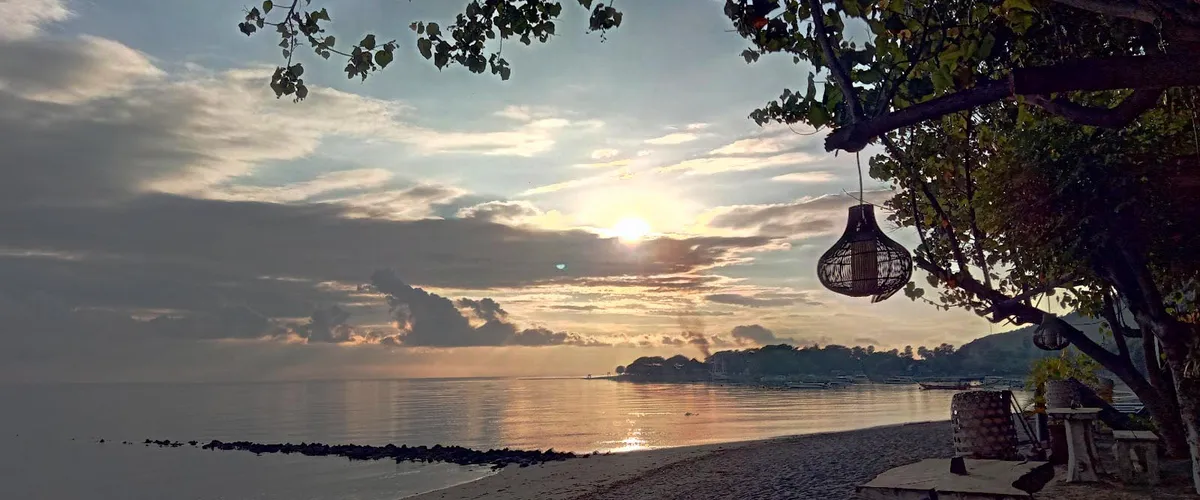
Being on North Bali also means the coastline is genuinely different from the South. The beaches are black sand, backed by cliffs, with a wilder feel. The water is warmer than South Bali's coast (no cold currents flowing past). The sunset is on the right side of the island — you actually get a decent sunset here instead of a sun disappearing behind mountains.

The Practical Reality

Pemuteran is not developed like South Bali. There's no nightlife scene, no shopping district, no Instagram cafes. The restaurants are good and cheap, but the selection is limited. Guesthouses are basic but comfortable — cold water is common, hot water might be solar-heated, and wifi works sometimes. That's not a complaint, it's why it's $15-30 per night instead of $50+.

Getting there requires travel time. From the airport, it's 3-4 hours by car/driver depending on traffic. There's no direct transport, so you're either hiring a driver or renting a scooter and riding yourself. That barrier actually keeps the crowd down, which is why the place stays peaceful.

Diving here uses local dive shops that are small and personal. They know the sites, they know the conditions, and they adapt plans based on what's actually happening with the reef and weather. A boat dive costs $50-80 including gear, snorkeling tours are $20-30. Prices are fair and the operations are solid.

The Food and Pace

Eating here means fresh fish and rice, cooked simply because that's how local food works. A full meal at a warung runs $2-4. The coffee is decent and cheap. If you want Western food, you'll find basic options (pasta, pizza) at guesthouses or tourist restaurants, but why come all the way to North Bali for that.

The pace is genuinely slow. Days revolve around the tides and diving schedules. You wake early for morning dives or snorkeling, come back for lunch and a nap during the heat, maybe dive again in the afternoon if conditions are good. Evenings are quiet — you eat dinner, maybe watch the sunset, sit in your guesthouse listening to the ocean. There's nothing else to do, and that's the point.

Pics: GoncaloHenriques

🗓 Best Time to Visit

Manta season runs November to April, with peak encounters December-February when ocean conditions are generally calmer. If manta rays are your target, book during these months but expect crowds at dive shops and higher prices. May to October is dry season with calmer seas, fewer tourists, and good diving, but no mantas. September-October is the shoulder season — still decent conditions, fewer crowds than peak manta season, and slight chance of manta encounters late season. June-August is peak dry season with strong winds some days, which can affect diving conditions.

💡 Local Tips

Book dives the day before if you're flexible on timing. Dive shops adjust schedules based on weather and tides, and morning departures are often better than afternoon. The reef has different conditions on different days.

Manta season (November-April) fills up the guesthouses and dive shops. If you want to dive for mantas, book accommodation and diving a week or more in advance. Off-season (May-October) has availability and fewer divers, but also no manta rays and rougher sea conditions some days.

Snorkeling off the beach works without boats — gear up at your guesthouse and wade in. The reef starts in 8-10 meters of water, so you can reach it easily. Boat snorkel trips to farther sites ($20-30) find fewer tourists and sometimes calmer conditions, so worth doing at least once.

Bring cash. ATMs here are limited and unreliable. Most guesthouses and dive shops take cards, but having cash gives you options and avoids fees. Bring enough from larger towns to cover 3-5 days.

Cold water is standard in guesthouses — solar heating exists but isn't always hot enough. Bring a light sweater or accept cold showers. Some places heat water on request, so ask. Hot water isn't a dealbreaker for a $20/night room, but it matters to some people.

The roads from the main highway to Pemuteran are good but require patience — narrow and winding, with local traffic. A driver takes 45 minutes from the main road. On a scooter, slower but doable if you're comfortable with winding mountain roads. Ride slow, don't rush, expect 1-2 hours from the highway turnoff.