Uluwatu appeals to travelers seeking landscape beauty, sunset experiences, cultural performances, and temple architecture. It works for a broad range of visitors.
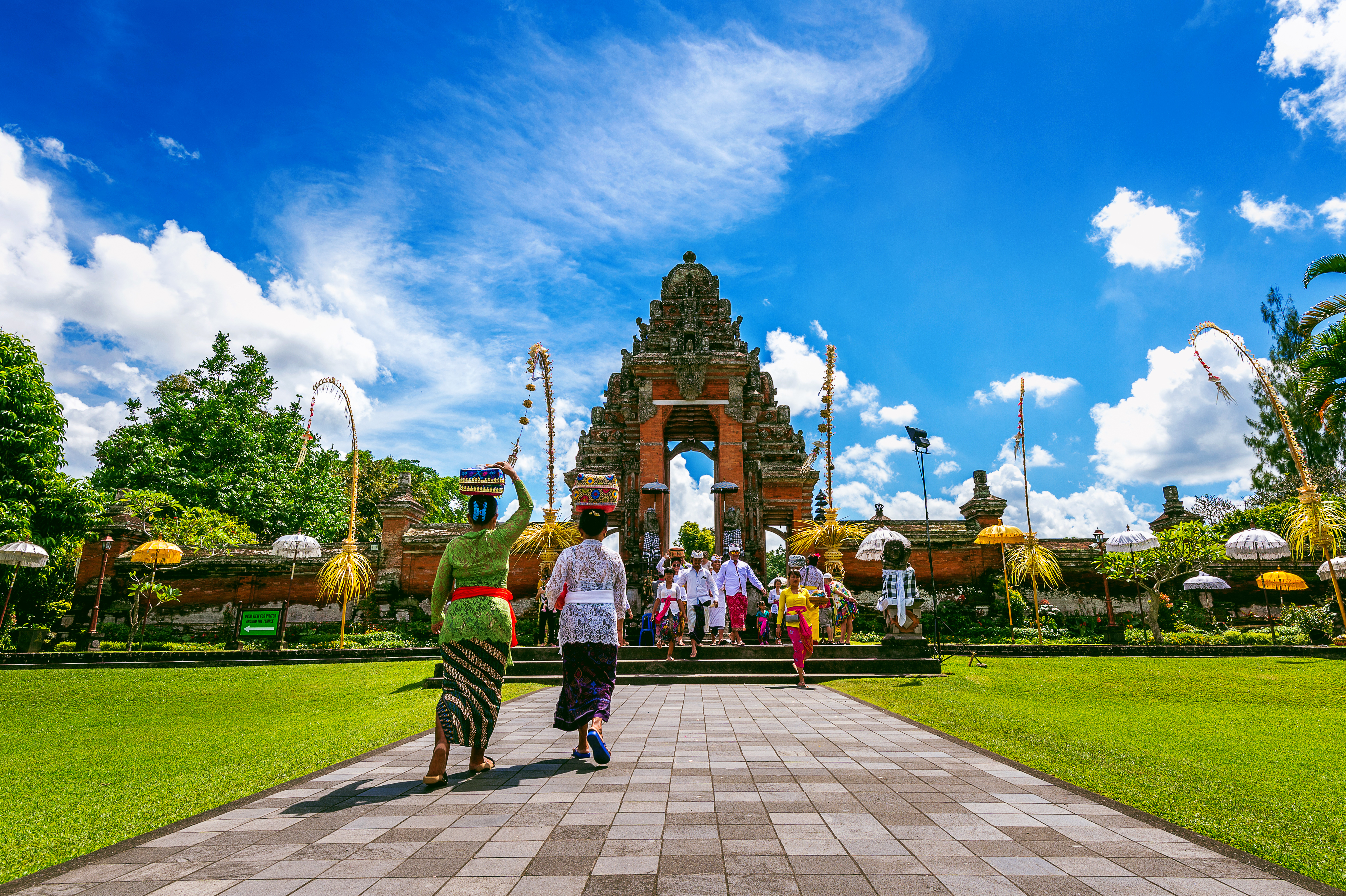
- For Photographers and Landscape Enthusiasts: The cliffs, ocean, temple structures, and light create photogenic compositions. Sunrise offers different light than sunset. Different seasons show different cloud patterns and colors. The challenge is finding angles that do not include crowds or modern infrastructure—early morning visits help. The temple architecture combined with landscape is genuinely beautiful if you spend time observing details.
- For Sunset Seekers: Uluwatu is one of Bali's most reliable sunset locations. If sunset viewing is your priority, the experience justifies the visit despite crowds. The sun drops behind the ocean on a clear horizon, and the changing light is dramatic. Bring sunglasses and water because midday sun on the temple grounds is intense.
- For Those Interested in Balinese Temples and Hinduism: Pura Luhur Uluwatu is an active temple with ongoing religious significance, not a historical site. Seeing how locals conduct ceremonies and make offerings offers insight into Balinese Hindu practice. The clifftop setting and the presence of monkeys (considered protectors) add unique cultural elements.
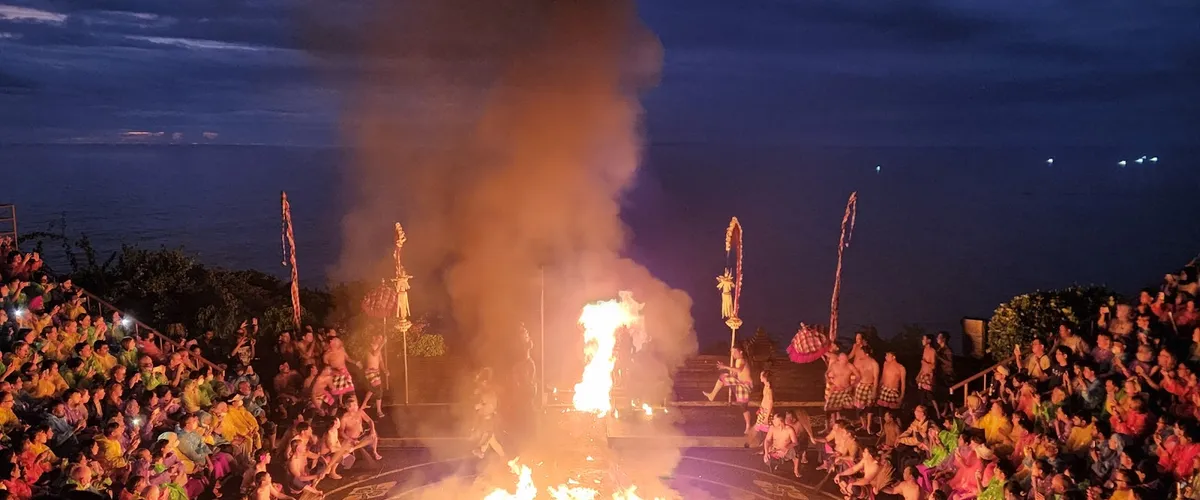
- For Kecak Dance Enthusiasts: The Kecak fire dance is a Balinese performance art form featuring rows of men chanting rhythmically while enacting a story. Uluwatu offers regular performances in an authentic temple setting (though performed partly for tourists). If you are interested in traditional dance, watching a performance here connects the art to the location in ways galleries do not.
- For Those on a Beach + Culture Combination: Uluwatu works as a base or day trip that combines temple and cultural experience with nearby beach access. Padang Padang Beach below the temple is accessible and uncrowded compared to main southern beaches.