The Beach Town That Still Works as a Beach Town
Sanur sits on Bali's southeast coast, and the geography matters. The reef offshore breaks the waves, so the water here is calmer than Kuta or Seminyak[1]. The beach faces east, so sunrise happens here — not a sun disappearing behind mountains like South Bali's western beaches, but an actual sunrise over the water that looks like someone edited the colors[2]. The beach isn't as wide or as white-sand perfect as the tourist photos, but it's functional and genuinely peaceful in the morning.
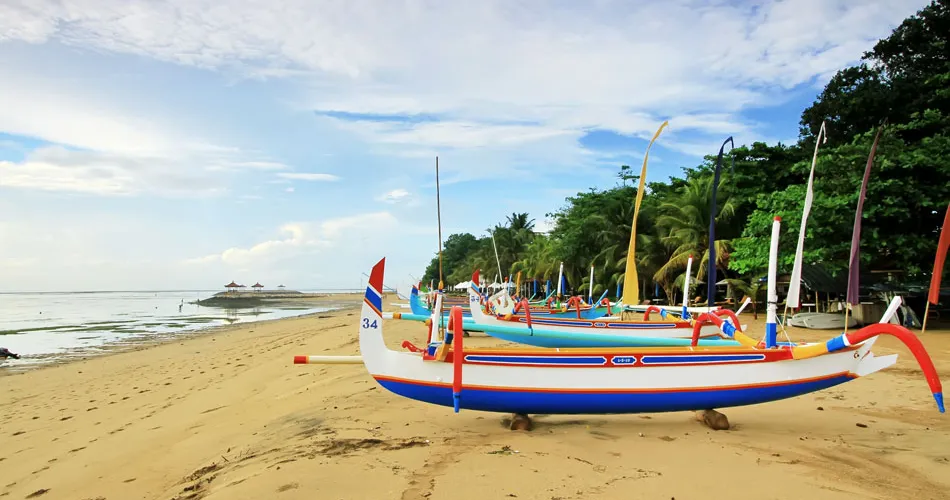
Sanur started as a fishing village and still operates like one. The harbor is working — fishing boats come and go throughout the day[3]. The seafood restaurants exist because there's actually fresh fish available, delivered that morning. This isn't tourist cuisine adapted to local fish; it's local fish prepared the way locals eat it. Walk down the beach path at 6am and you'll see fishermen and locals, not tourist crowds.
Why the Water Here Is Different
The calm water makes Sanur function as a water sports hub in ways that Kuta can't match. The reef protects the bay, and the shallow gradients mean kids can wade safely[4]. Snorkeling works from the beach — the reef starts in shallow water and the visibility is usually decent. Diving is accessible without rough boat rides. Paddle boarding and kayaking happen daily because the water is actually flat most mornings.
The real advantage is the gateway to the Nusa Islands[5]. Fast boats to Nusa Lembongan, Nusa Penida, and Nusa Ceningan leave from Sanur's harbor multiple times throughout the day. The crossing is 30-45 minutes depending on the boat and destination. This makes Sanur the logical base if you want island access without committing to staying on the islands.
The Practical Reality
Sanur is less developed than Kuta or Seminyak, which means cheaper and quieter but also fewer options[6]. Guesthouses run $20-40, mid-range hotels are $50-100, and there's a handful of upscale options if you want them. The restaurant scene is solid — fresh seafood at local warungs ($3-6), casual tourist-friendly spots ($7-15), and a few nicer places ($15-30). The quality tends to be better than the price because the competition is local restaurants, not Instagram cafes.
The beach itself is functional but not Instagram-perfect. The sand is darker, the beach is narrower than marketing photos suggest, and development is visible. That's why tourists bypass Sanur for Kuta or Seminyak — the beach doesn't photograph as well. That's also why Sanur stays genuinely peaceful and why local character survives.
The Sunrise and the Photography Angle
Sanur's biggest asset is the sunrise. The beach faces east, the water is calm, and the light hits the harbor early. Photographers and early risers get 30-60 minutes of genuinely good light before the crowds show up. The fishing boats add texture to the photos — this isn't a pristine beach, it's a working harbor at dawn, which is visually more interesting[7].
Beyond sunrise, the town is honest about what it is: a fishing village with tourism infrastructure, not a destination that's been optimized for Instagram. The beach is calm and functional. The food is fresh and cheap. The vibe is actually relaxed because there's no pressure to perform tourism.
Island Access and Day Trips
The primary reason tourists come to Sanur is to catch boats to the Nusa Islands[8]. Most boat operators have morning and afternoon departures. A one-way ticket to Nusa Lembongan costs $15-25. The crossing usually runs 30-45 minutes but can vary based on boat type and sea conditions[5]. You can book through your guesthouse, through the boat operators directly at the harbor, or online a day in advance.
If you're not island-hopping, Sanur functions as a relaxed beach base. You can spend mornings photographing sunrise or snorkeling, afternoons exploring town or resting, and evenings eating fresh fish. There's genuinely nothing else to do, and that's the appeal.