
 Cultural & Heritage
 Sightseeing & Iconic Spots
 Hiking & Trekking
 Spiritual & Wellness
 Water Activities


A Journey into the Soul of Bali
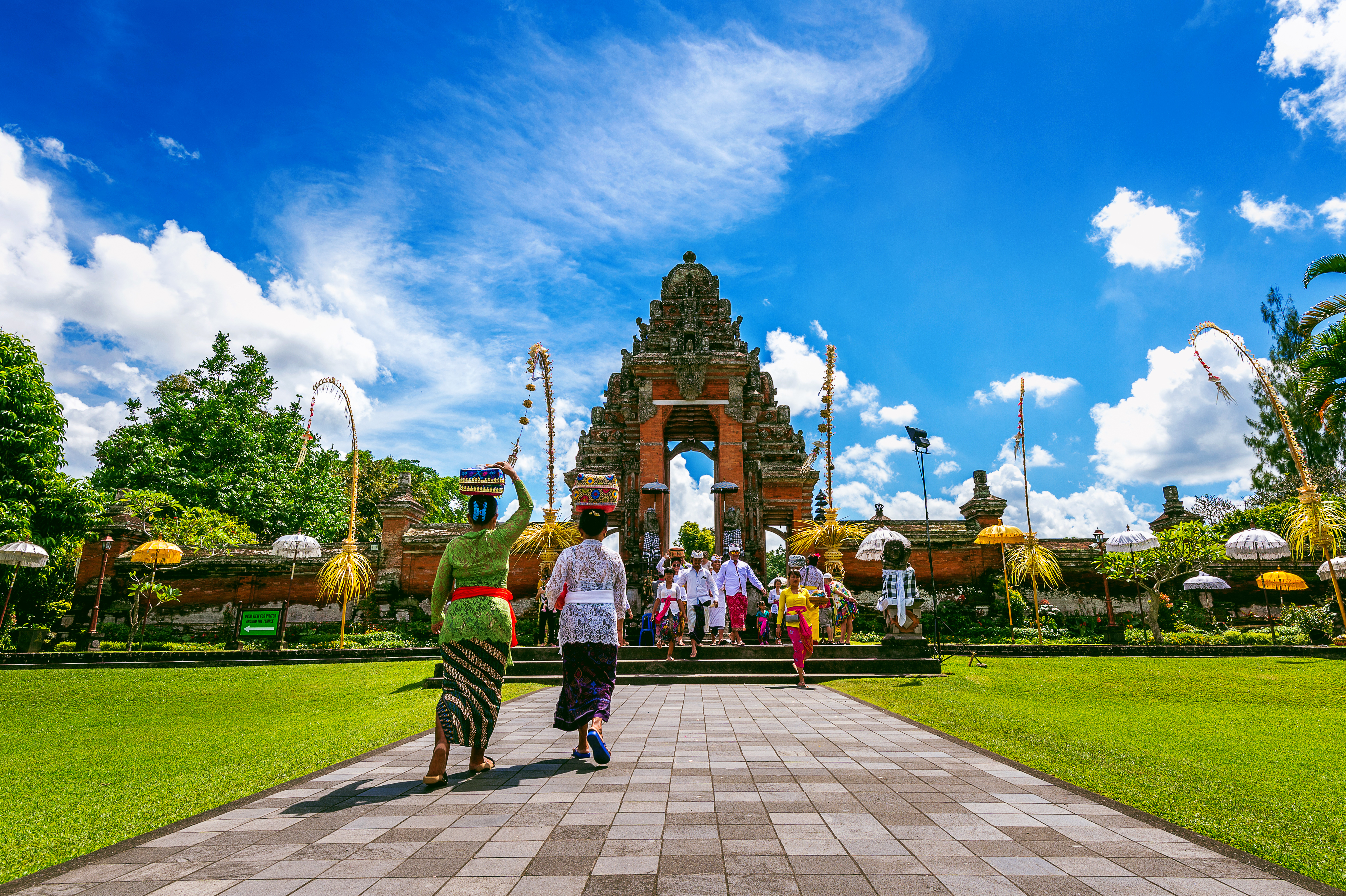
Bali's cultural identity is deeply rooted in timeless traditions, artistic expression, and ancient philosophies. Exploring the island's heritage offers an immersive window into a world where daily life and spirituality intertwine seamlessly. From grand royal palaces to historic monuments, every site tells a profound story of historical resilience, artistic mastery, and community devotion.
Living Traditions and Artistic Mastery
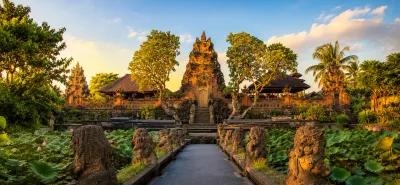
Stepping into these historic spaces allows you to witness unique architectural structures, traditional stone carvings, and classical design layouts that have been preserved for generations. These sanctuaries serve not only as historical landmarks but also as active community spaces where authentic rituals, dance performances, and sacred craftsmanship continue to thrive daily.
Locating Heritage Sites
Most cultural landmarks are spread across the island, with significant concentrations in central regions like Ubud, historic hubs like Gianyar and Klungkung, and iconic coastal cliffs. They are readily accessible via private car rentals, taxis, or organized cultural day tours departing from major southern resort hubs.
Respecting Local Customs
- Dress modestly by covering your shoulders and knees before entering any sacred or historical compound.
- Wear a traditional sarong and waist sash, which are typically required and often available at entry points.
- Be mindful of ongoing ceremonies, keep a respectful distance from worshippers, and avoid stepping on daily offerings.
Amenities and Visitor Experience
Many heritage destinations feature local markets, refreshment stalls, and artisan workshops nearby, where you can sample traditional snacks and purchase authentic handmade crafts. To ensure a rewarding visit, consider engaging a local guide at the entrance to fully appreciate the complex history and symbolism behind the structures.
Yes, visitors must dress modestly. Both men and women are required to wear a sarong and a waist sash to cover their legs when entering sacred or royal grounds.
While some areas remain accessible, certain inner courtyards or specific temples may be closed to tourists during major local ceremonies out of respect for worshippers.
Yes, photography for personal use is generally permitted, but you must avoid using flash, stand at a respectful distance, and never position yourself higher than the priests or offerings.
Standard entrance tickets cover entry and sarong rental, but official or local independent guides usually require an additional fee or tip for their services.
Due to historical architecture, many sites feature uneven stone pathways, high steps, and narrow split gateways, making wheelchair accessibility limited in certain sections.