Sup Ayam (Balinese chicken soup)
Sayur Urab (Balinese vegetables salad
Nasi Putih (steam rice)
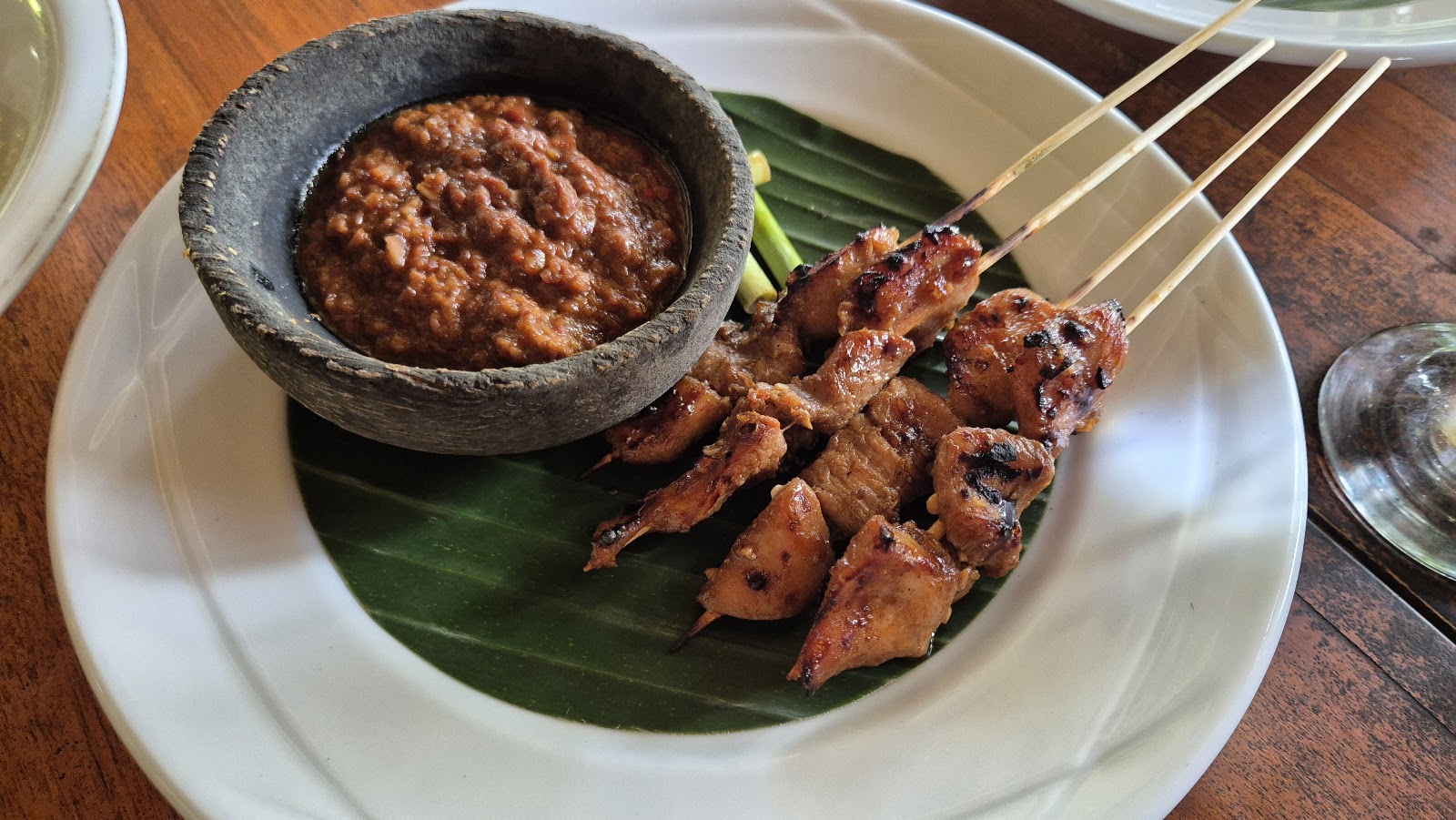
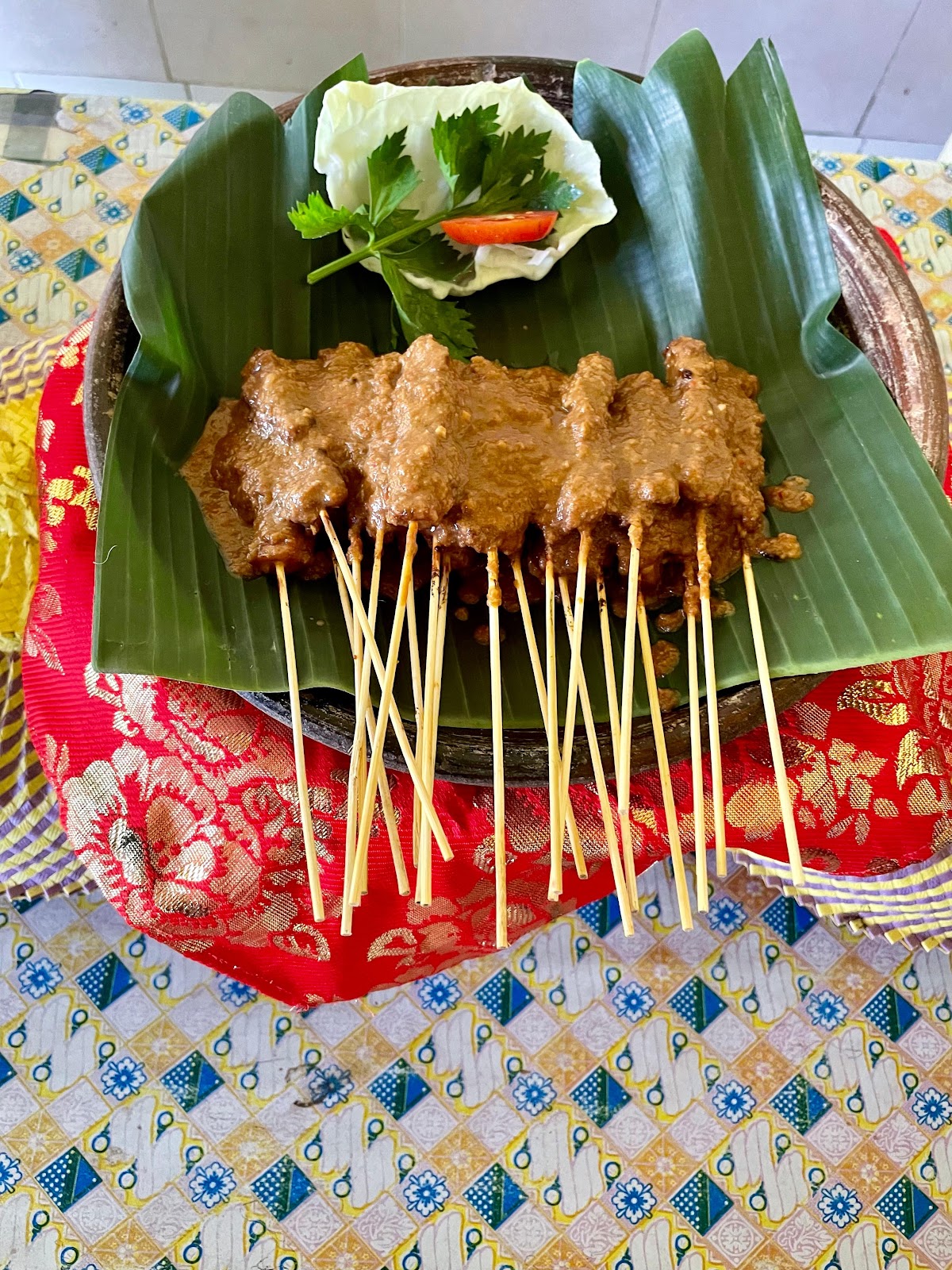
Sate tusuk ayam (chicken satay)
Pepes ikan (steam fish in banana leaf)
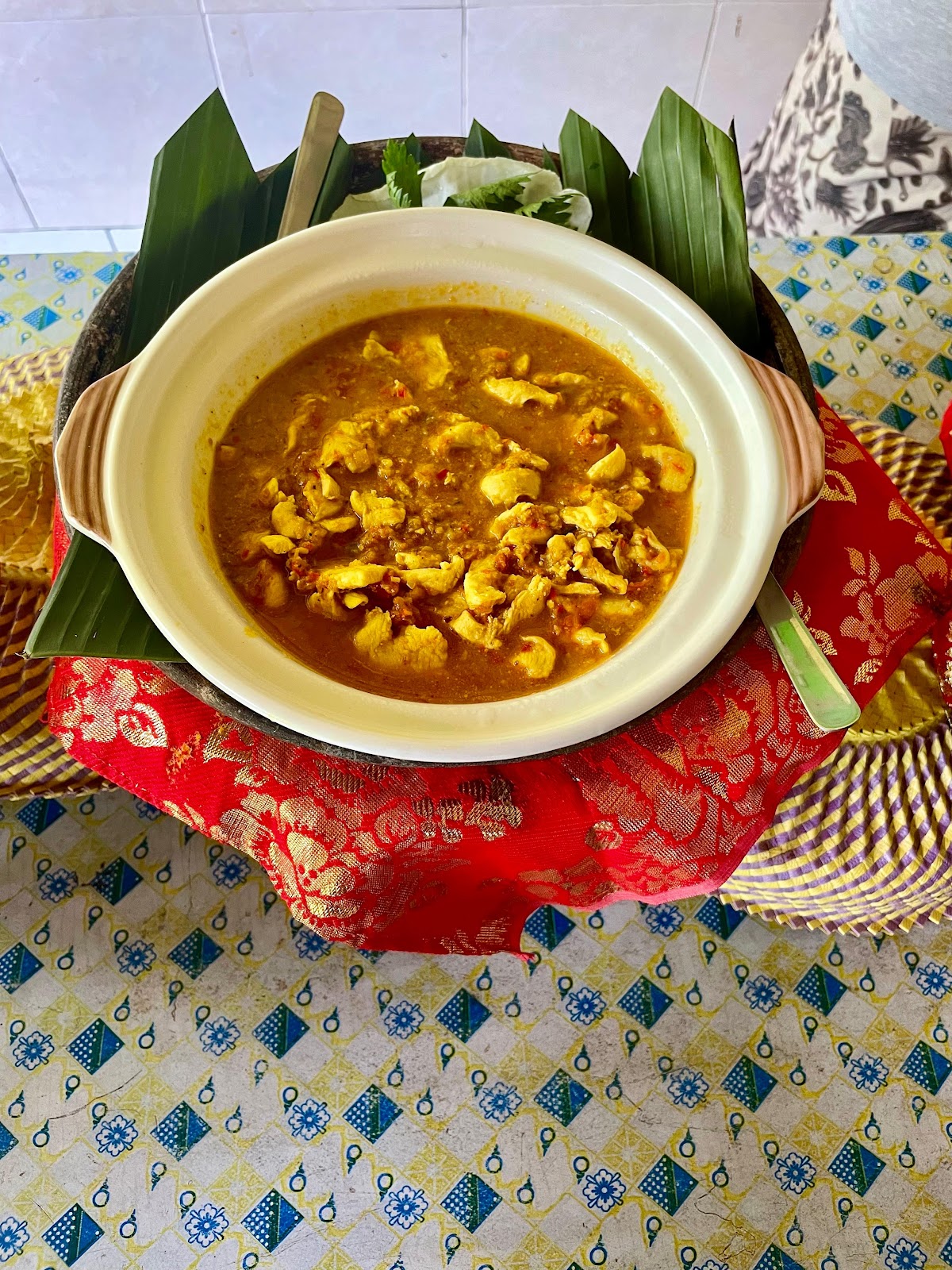
Kari Ayam (Balinese chicken curry
Tempe manis (deep fried tempe in sweet soy sauce)
Dadar gulung (rolled cake with coconut and palm sugar)
Sup Sayur (vegetables with mushroom)
Sayur Urab (Balinese vegetables salad
Nasi Putih (steam rice)
Sate tempe dan tahu (tofu and tempe satay)
Pepes jamur (grilled mushroom in banana leaf)
Kari Tahu Tempe (tofu and tempe curry
Tempe manis (deep fried tempe in sweet soy sauce)
Dadar gulung (rolled cake with coconut and palm sugar)
There’s something quietly addictive about learning how to cook in Bali—but not all cooking classes hit the same. Some feel staged, a bit too polished. Periuk Cooking Class, on the other hand, leans into something more real. Less performance, more connection.
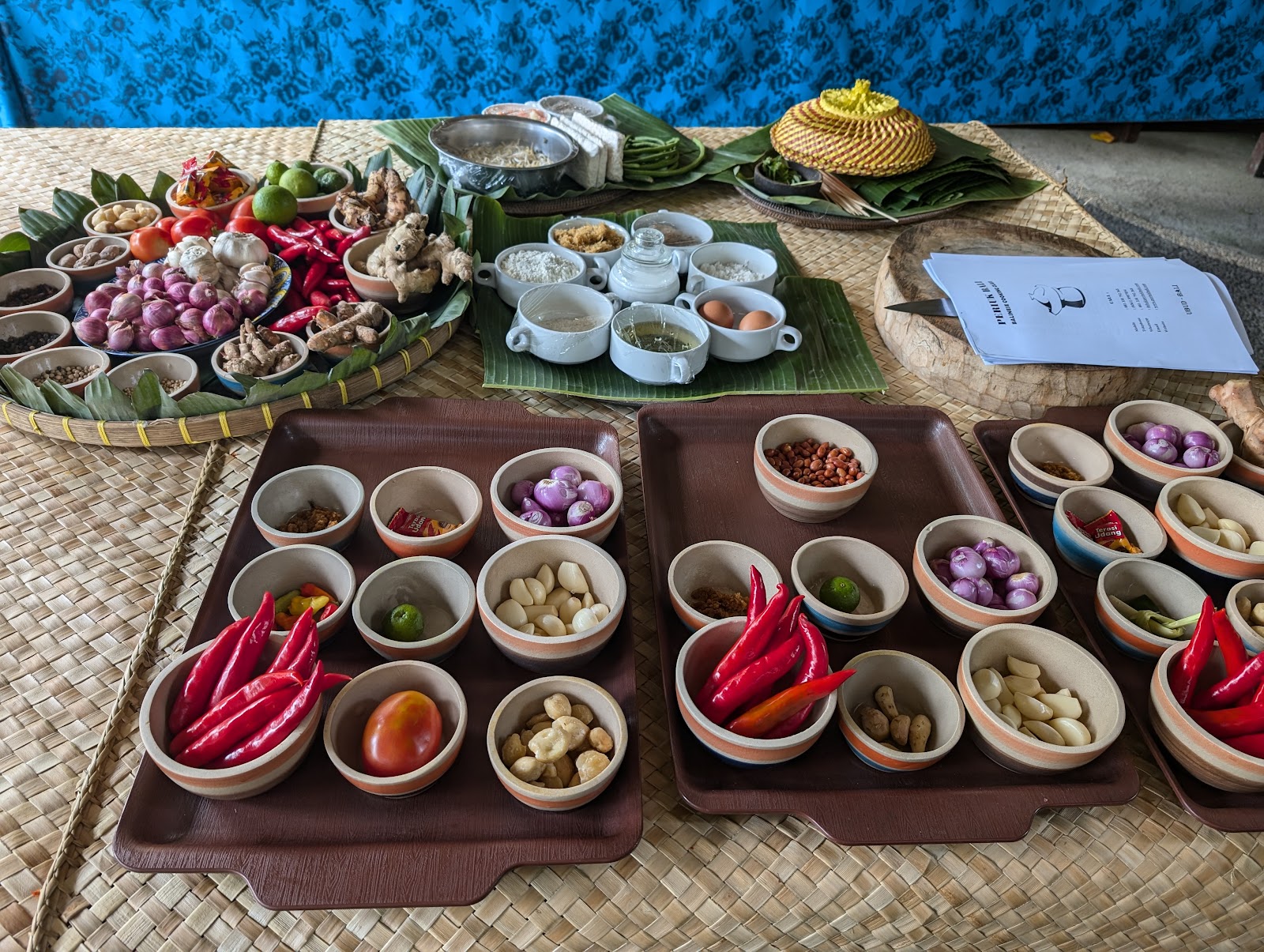
The experience usually kicks off early, with a visit to a traditional market. And this isn’t the kind of place curated for tourists—it’s loud, a little chaotic, and completely alive. You’ll notice the sharp scent of freshly ground spices hanging in the air, baskets overflowing with chilies, turmeric roots staining fingers yellow, and locals bargaining in quick, melodic bursts. It’s sensory overload, but in the best way.
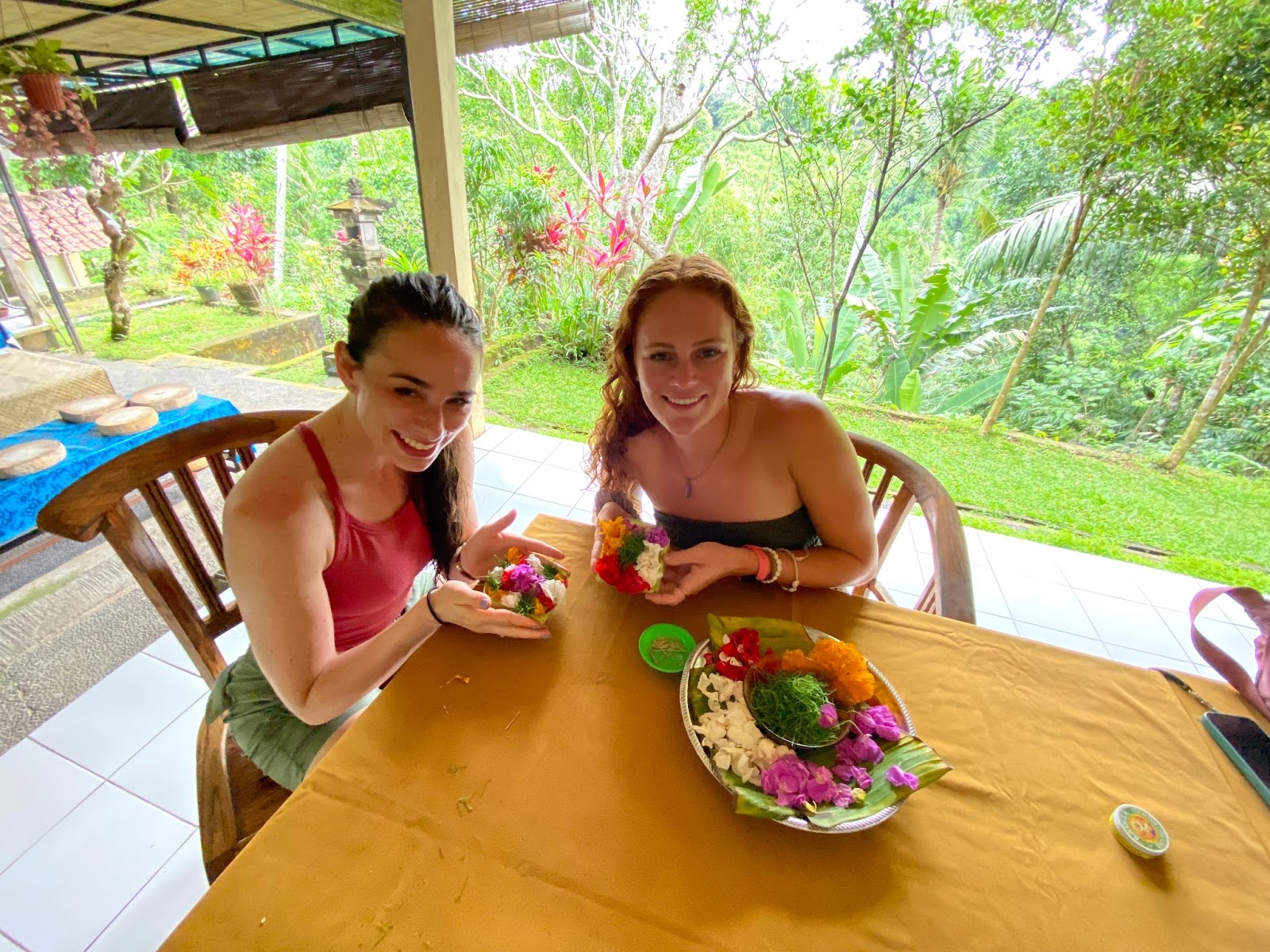
From there, you head to a peaceful village setting in Lodtunduh, just outside central Ubud. The shift in atmosphere is immediate. The noise fades. You’re surrounded by greenery, open air, and a kitchen that feels more like someone’s home than a commercial space.
What sets Periuk apart is how the class unfolds. It’s relaxed—no rigid scripts, no pressure to get everything perfect. The instructors guide you through each step with an easygoing approach, often sharing bits of Balinese culture along the way. Why certain spices matter. How dishes are tied to ceremonies. Little things that make the food feel more meaningful.
You’ll get hands-on pretty quickly—crushing spices into a rich base genep paste, wrapping satay onto lemongrass sticks, stirring, tasting, adjusting. It’s not always neat, but that’s kind of the point. Cooking here feels tactile, almost instinctive.
The menu typically includes a mix of classic Balinese dishes—think chicken betutu, sate lilit, and seasonal vegetables infused with bold, layered flavors. By the time everything is ready, you’re not just hungry—you’re curious. Did it turn out right? Did you nail the balance?
Then comes the best part: sitting down and actually enjoying what you’ve made. And somehow, it always tastes better when you’ve been part of the whole process—from market to plate.
Periuk Cooking Class isn’t just an activity to tick off your Bali list. It’s one of those experiences that sticks with you, long after the trip ends—especially the moment you try recreating the dishes back home and realize, yeah, Bali found its way into your kitchen too.